Written by Eddah Ogogo, Program Lead, PBIDS, and Maureen Onyango, Communications and Advocacy Lead
In August 2025, Community Health Promoters in Kilifi North began reporting unusual behavior among local dogs. Residents reported increasing aggression and suspected rabies exposures. At that point, there was no confirmed outbreak. What existed was simply a signal.
But signals matter. Rabies is an alarming and deadly zoonotic disease that is nearly 100% fatal. The difference between containment and crisis often lies in timing. In this case, timing worked in the community’s favor.
Because Kilifi North is part of CFK Africa’s Event-Based Surveillance (EBS) network, the early ‘warning signals’ were not dismissed as rumors. They were formally documented, verified, and submitted through the M-Dharura reporting app.
M-Dharura is Kenya’s primary EBS digital platform. It allows community health teams to flag information that may signal a public health threat, even before it appears in routine clinical data. By capturing unusual events early and channeling them to authorities in real time, the system strengthens coordination and speeds up response.
Within days, the Ministry of Health, the Kilifi County Department of Health, and the Division of Veterinary Services launched a collaborative response. A targeted animal health campaign vaccinated 193 dogs and 42 cats against rabies, reducing immediate risk to families and preventing potential spread to neighboring counties.
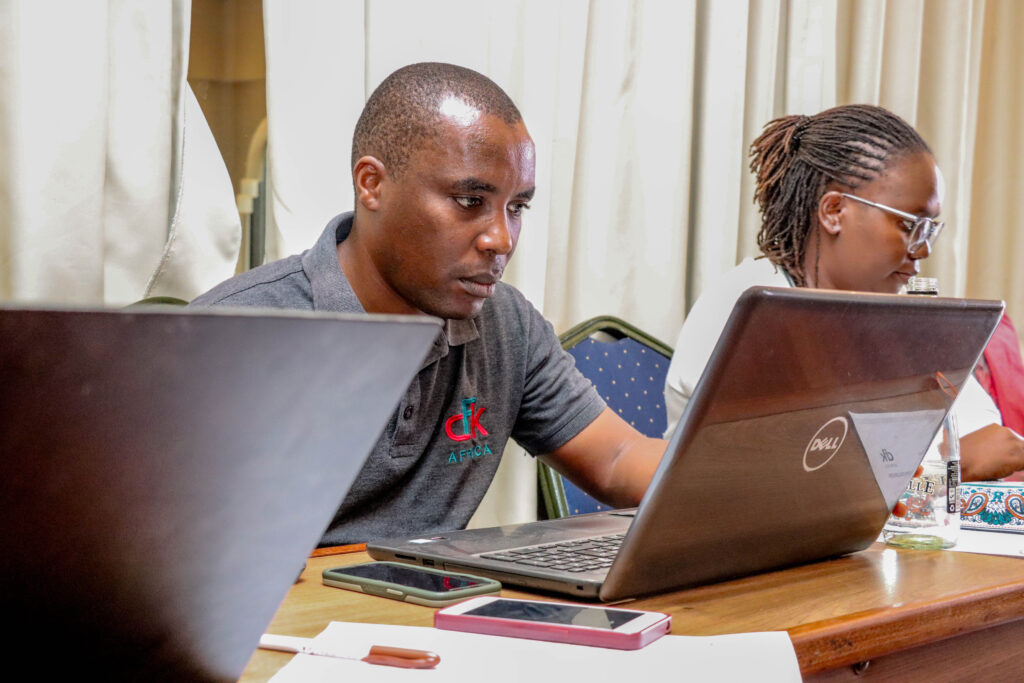
This response was the result of CFK Africa’s sustained investment in preparedness. In collaboration with the U.S. Centers for Disease Control, Washington State University, and the Ministry of Health, CFK Africa trained 1,400 health workers across Kenya in 2025 to detect early signs of public health threats. The model is grounded in the understanding that communities are often the first to notice issues that cause public health concern.
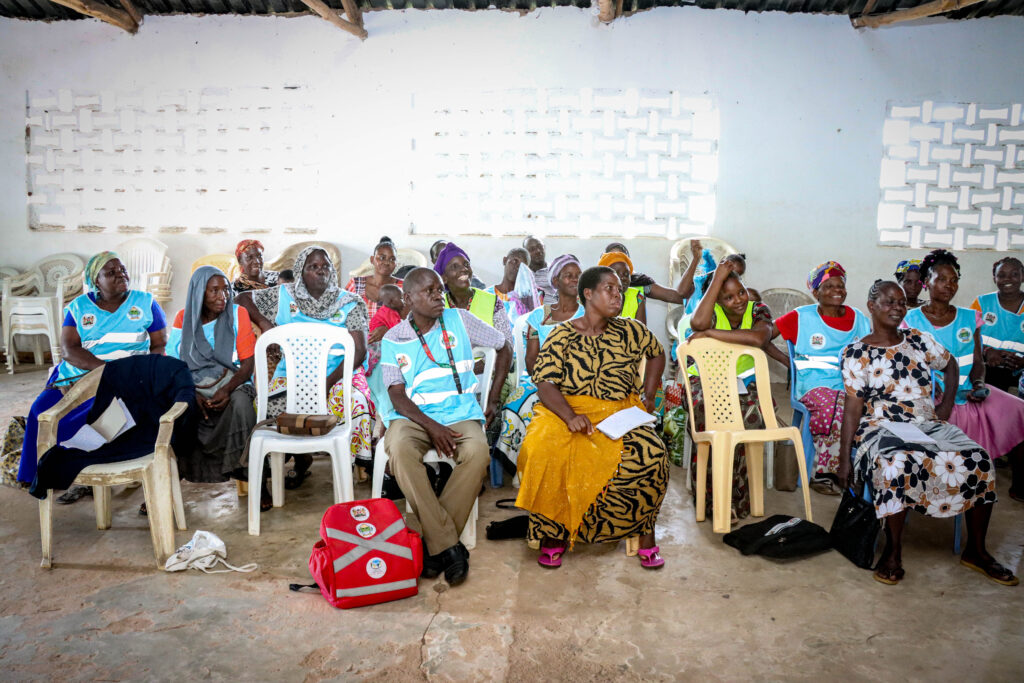
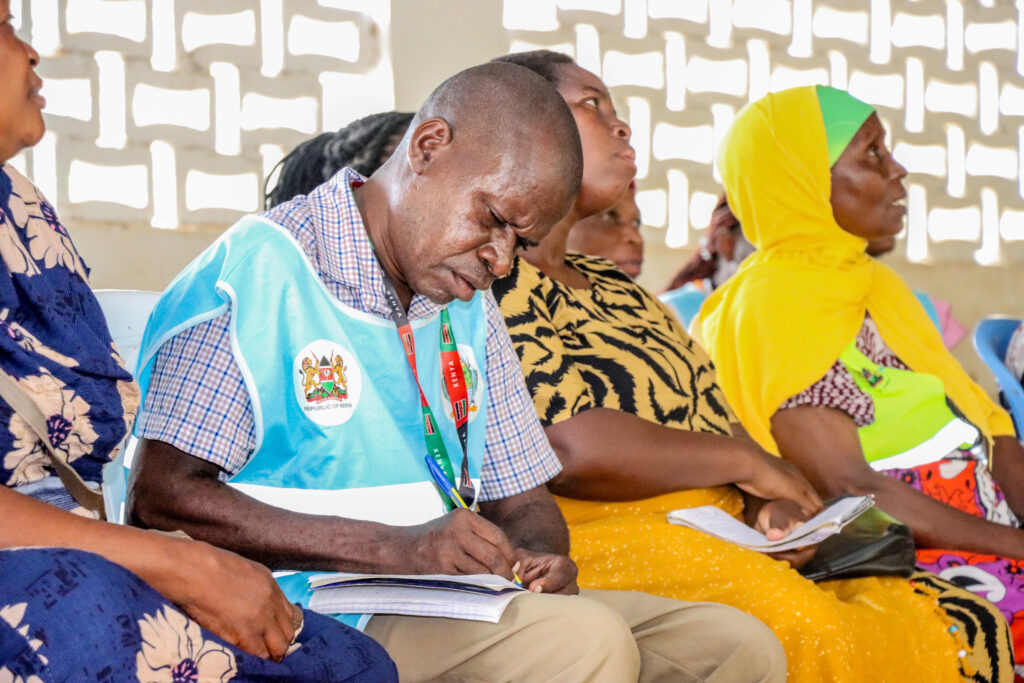
EBS creates a structured pathway for capturing, assessing, and acting on community observations before they escalate into emergencies. It operates within a One Health framework, recognizing the interconnectedness of human, animal, and environmental health. Rabies sits precisely at that intersection, making rapid coordination and response essential.
The deeper impact of the Kilifi response extends beyond the number of animals vaccinated. Community Health Promoters are demonstrating increased confidence in reporting health signals, local health and veterinary departments are collaborating more closely, and digital reporting systems are strengthening accountability and speed, all of which are improving community health not only in Kenya but also contributing to global health security.
In regions where health systems are stretched and outbreaks can spread quickly, early detection is what defines protection. It safeguards families, reduces financial strain on already vulnerable households, and prevents avoidable illness and health. In this case, hundreds of households were protected because a potential crisis was intercepted before it fully emerged.
That is the quiet strength of preparedness.
Empower community health workers to contribute not only to the health of their local communities but also to global health security by making a donation to CFK Africa.
***In honor of our 25th anniversary in 2026, this story is #4 of 25 Stories of Change, shared throughout the year and featuring youth and communities whose lives have been transformed by CFK Africa.